
This weekend was scout camp in Downe, Kent - close to Charles Darwin's old house and some lovely pubs.
The scouts were in the woods for three days, making fires, playing wide games in the dark and generally getting up to mischief.
It was so good to see kids being kids - climbing trees, chasing each other and making up their own fun.
I have been a parent leader for a few years now. I started because my eldest has Type 1 diabetes and it can be tricky for other adults to manage. He and I started Beavers (6-8 years old) when he was six and he is almost 12 now.
Beavers was very loud. Cubs (8-10.5 years) was great fun, though I had not realised how much the leaders do until I went to Scout camp. At Cub camp you cook three meals a day plus snacks, put their tents up, take them down and organise every activity.

Scouts is a different game entirely.
The scouts arrive to find their equipment plonked on the ground. It has been brought there for them and that is where the help ends. They put their own tents up, build their own kitchens, cook their own food, make their own fires and, a few set activities aside, make their own entertainment.
I did not see my boys for the entire weekend. They were off.
They came home filthy, exhausted, very well fed and extremely happy.
There was not a mobile phone in sight. They are banned on camp.
If you allow phones in the scout hut, the scouts sit down and disappear into their screens. Shoulders hunched, heads down, each one alone in their own little silo.
So they are banned.
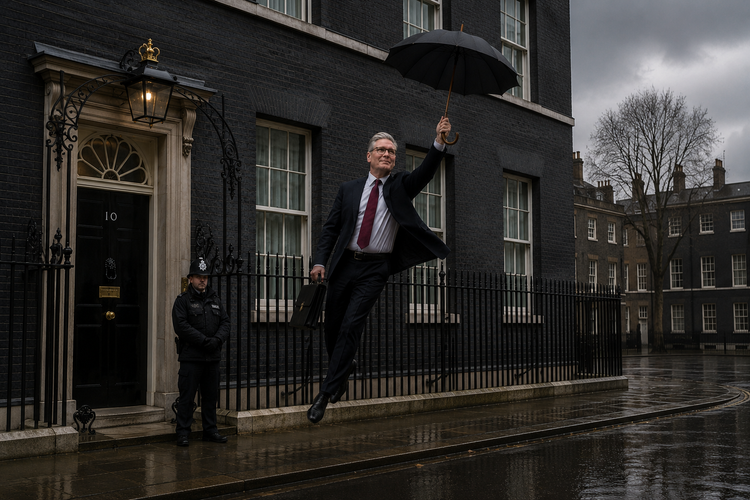
On Monday Keir Starmer announced a ban on social media for under-16s, covering Snapchat, TikTok, YouTube, Instagram, Facebook and X. His words were that he wanted to give kids their childhood back.
Children have been handed smartphones with the controls locked off by big tech and then told not to touch the things those phones were designed to make irresistible.
It's like give kids the keys to the drinks cabinet while mum and dad are away and being expected not to touch it.
I know this better than most because we have no choice but to give Fin a smartphone. It manages his blood sugar.
We have locked that phone down twenty times and he still finds a way round every control, because the parental settings on Apple are hopeless. Apple has only just announced tighter controls after years of parent petitioning - coincidentally at the same time as governments are taking control over screentime.
Films are age rated. Drink is age rated. Cigarettes. How it has taken this long to bring the same basic governance to the thing kids hold for hours a day is bananas.
A few weeks ago, we hosted a birthday party in the park for my younger son Jamie. One of the kids, a brilliant little footballer, had just been given his first phone. The others were playing hide and seek and capture the flag. He sat under a tree for the best part of three hours, looking at the screen, not playing with anyone.
That is what smartphones do to kids - and adults.
When I was a kid we played outside until it got dark and our mums came looking for us. Some days we were jumping around building sites, other days stuck up trees or being chased by older lads for being cheeky.
So do I back the ban? Perhaps a different question needs to be asked.
Would I like to see children play normally again? Yes. Would I like to have more control over what my sons see and interact with online? Yes. Do I think the big tech firms are out of order? Big yes.
But a blanket ban on Youtube would stop some really valuable learning.
Keir's ban targets the wrong thing. The harm is not only the screen - there are great things about these devices and apps - it is the addictive, scroll-fused design. The feeds tuned to keep you there, the machinery built to hold attention.
A ban drawn by app rather than by feature catches educational YouTube in the same net as the content that does the damage. There is a lot of genuinely good learning on YouTube.
The ban also leans on age checks that touch everyone. To keep under-16s off, platforms have to know everyone's age, which means ID or face scans for the whole population.
That is a privacy cost and a data-breach risk we are all being asked to carry.
So the next question is - is Keir trying to get ID checks through this back door?
Yes. It's sneaky, but probably another SPAD-laid plan that will get knocked down once the Civil Service understands the work it has to do to implement it.
Has it been scoped? Well, it's an idea to win popularity.
And kids will route around it.
In Australia, which brought in the same ban last December, around seven in ten parents said in March that their children were still on the platforms, having simply bypassed the age gates.
There is also the matter of where the savvy and the vulnerable end up once they have routed around the rule.
YouTube and Meta warned this week that a blanket ban could push kids into less regulated corners of the internet. But how much less regulated could these platforms be? It's like the Wild West of media.
If you have a problem or a complaint, you will never speak to a human being. Ever.
Big tech has had every chance to fix this itself. It chose engagement over children's safety and wellbeing every time, so a hard shove from government is overdue.
Perhaps this is the wakeup call it needs.
I doubt it.
Book AI Fluency for Leaders with Dan
If you don't know where to begin with AI - or how to think about it clearly - book this workshop with me to ensure your team is on the same page with AI. In a one-day workshop, I help you understand how to use AI as a team, what AI means for your business, where it will pay back, and how to think about the choices in front of you.
You cannot advance in AI until your team is onboard and you have a roadmap.
Book the workshop NOW.