A CIO stood up at one of my recent talks and said "I am axing tens of millions of pounds of software spend right now. AI is doing what whole platforms used to do. Most of my peers have no idea what is coming for them."
But... another challenged: "Yeah, you can build it yourself with AI, but have you factored in how to deploy and service it at scale?"
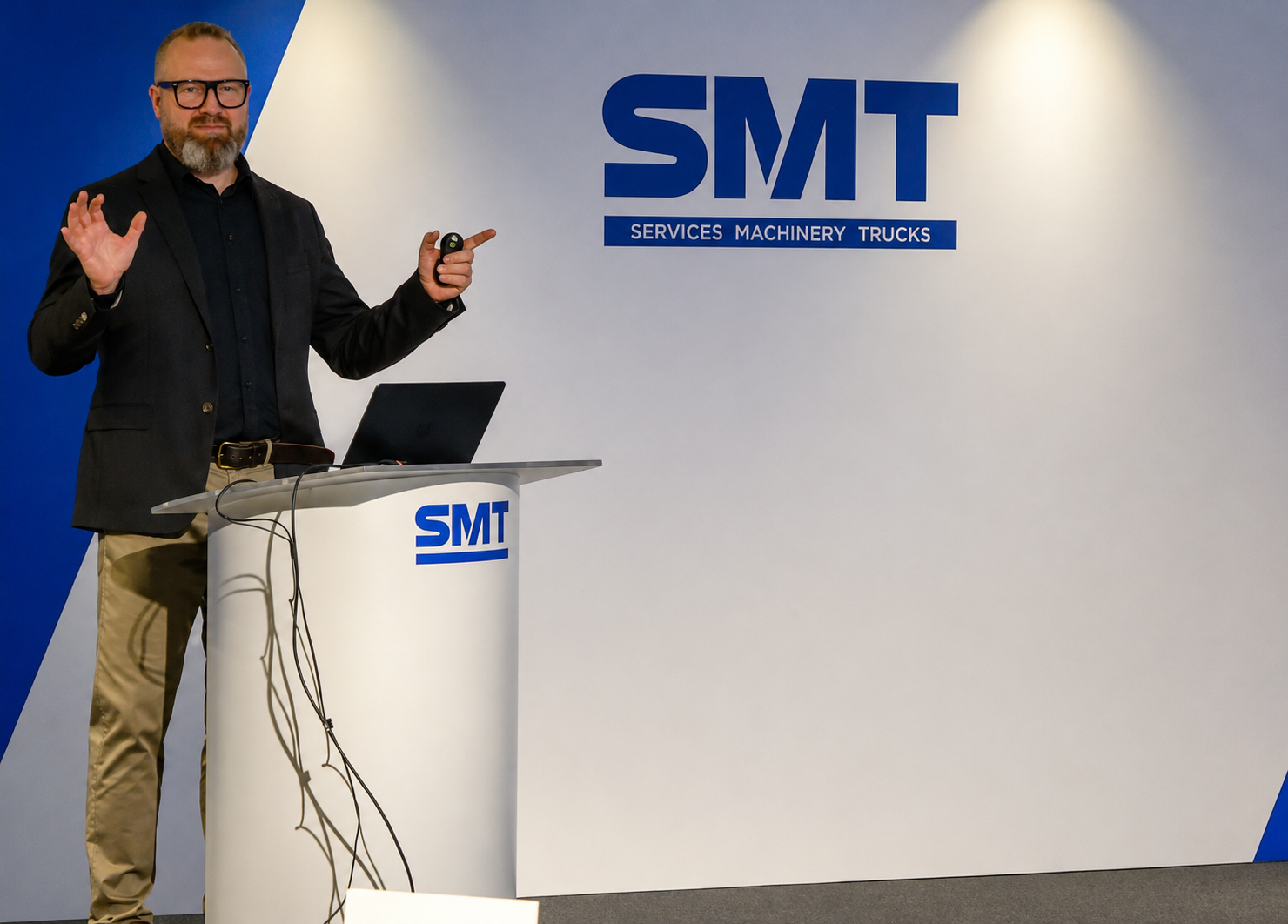
I have given a lot of talks that have kicked off this type of exec debate this year.
In every room there are a few people already on the journey and a larger group who have barely started. Most of them are using ChatGPT to ask questions about how to make soup. That's roughly where most of the market is, but the curve is steepening.
Each month the talk evolves. Each month Claude takes up more of the room.
What Claude actually does
Claude is a step above other AI products. It writes code, builds software, runs agents that work while you sleep, connects to your inbox, your calendar, your CRM and your Drive, and can read a 200 page contract and tell you what to renegotiate before lunch.
That last one is not hypothetical. A CFO I know ran three years of supplier contracts through Claude on a Saturday morning and walked into Monday with a renegotiation list that paid for his AI strategy ten times over.
In my own business I run an agent called Marvin in the background. Marvin reads my inbox, watches my calendar, monitors my Slack, and at 7am tells me on Telegram what actually matters that day. Last night, while I was sleeping, it laid out a deck for my next talk.
It's changing the way people work.
The competitors you have not noticed yet
While most boardrooms are still debating whether to allow ChatGPT, this is what your new competition looks like.
- Midjourney. AI image generation. 11 people. $200m a year.
- Danny Postma. HeadshotPro. One person. $3.6m a year. Run from Bali.
- Maor Shlomo. Base44. Built solo. Sold to Wix for $80m in June last year.
- Dario Amodei, the CEO of the company that makes Claude, said publicly in May 2025 that he gives it 70 to 80 percent odds that the first one billion dollar company with a single employee appears in 2026.
They are the early shape of what a competitor looks like in your category in three years. Eleven people doing what used to take 1100. One person doing what used to take 50. The economics are inverting and most exco teams have not even named the risk.
Most exco teams don't even know what consultancy they no longer need.
The Big 4 are scared because this change removes a huge chunk of what they're needed for. They haven't redeployed fast enough. They're missing entrepreneurial drive and they're about to get mullered.
Small outfits are adapting faster.
AI safety: The dangers nobody is naming
Now the bit most AI evangelists will not talk to you about.
Put your contracts through public Claude or any consumer AI and unless you are on the enterprise tier you may be sharing confidential information with a third party.
Insurance companies have not yet priced the indemnity risk of AI usage. Prices will shift if you cannot prove how you you use AI responsibly.
When the first big claim hits, the question in the boardroom will be "how was this advice given, how did this code come to be written this way?" The answer "the AI thing did it" will not hold up. Boards will answer that question, not the AI.
Data governance, work governance and people governance are going to be the real challenge ahead. The boring stuff is the important stuff, and right now it is being left behind.
"I don't have time to learn AI"
The trouble most execs have is time. They struggle to run the business, let alone run change. AI is a different game altogether and needs a different mindset. TV dinner evenings half-watching YouTube tutorials will not get you there fast.
A half day with your team will.
The workshop
Format: half day, on site. Audience: CEO, Exco and Exco-1. Up to 12 people in the room.
Outcome:
-
AI relevancy for the leadership team: what AI is, how to prompt, how to building your own agents, workflows and code.
-
Your team will have argued out who owns AI, what you deploy first against the real challenges you face now, what you should not touch
-
Where your indemnity exposure sits
-
A written plan you can act on.
Investment: Drop me a line
Why now?
Do not let AI run away from you. It's happening faster than you think. The companies that get this right in the next two quarters will be the ones still standing when the curve gets vertical - but they'll also be doing it SAFELY.
The ones still using ChatGPT will not.
If you want me to run this for your team, reply to this email.
Dan